COMMERCIAL
Low Voltage Services
for connected building systems
Low-voltage infrastructure supports many of the systems people rely on to communicate, control access and operate a facility.
SuperHero Fire Protection provides commercial low-voltage installation and service as part of a broader building and life-safety platform.
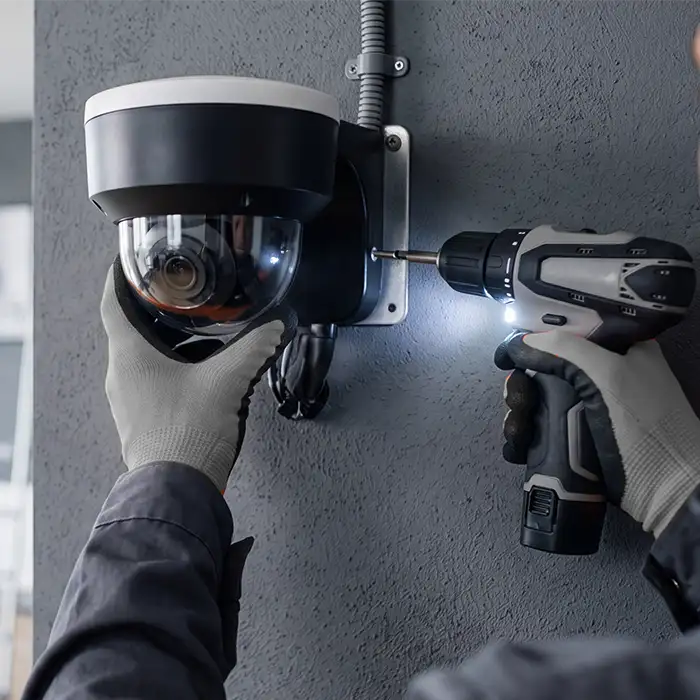
Plan the infrastructure around the systems it has to support
Low-voltage work touches equipment throughout the building. Layout, pathways, system requirements and future changes all affect the installation.
SuperHero works with commercial property and facility teams to coordinate low-voltage work around the building and the systems being connected.
Evaluate
Review the property, existing infrastructure and project requirements.
Plan
Coordinate pathways, equipment locations and system needs.
Install
Complete applicable low-voltage infrastructure and system work.
Support
Address changes and service needs as the building evolves.
Get the infrastructure in place
for the systems your building depends on
Commercial low-voltage installation requires coordination with the property, other trades and the equipment the infrastructure will support.
SuperHero handles applicable low-voltage work with attention to the building environment and the needs of the finished system.
1.
New Construction
Coordinate low-voltage work within larger commercial construction projects.
2.
Renovations
Adapt infrastructure as spaces are remodeled or reconfigured.
3.
Tenant Improvements
Support system changes tied to new occupants and interior buildouts.
4.
Existing Buildings
Add or update low-voltage infrastructure within operating properties.
Bring building access into the larger systems plan
Access control adds another layer of infrastructure and coordination to the property.
SuperHero provides commercial access control capability within its broader low-voltage and building-systems offering.
Access Control Systems
Support electronic access needs for commercial properties.
Door & Entry Coordination
Connect applicable access equipment with the physical points it controls.
System Expansion
Add capability as buildings, users or operating needs change.
Existing-System Support
Address service needs for applicable systems already installed at the property.
Coordinate low voltage with the life-safety systems in the building
Fire alarms and emergency responder communication systems also rely on low-voltage infrastructure.
SuperHero’s broader fire and life safety capability creates a practical way for property teams to coordinate related work when projects involve more than one system.
Fire Alarm Systems
Coordinate with commercial fire alarm service and system work.
ERRC Systems
Support projects involving emergency responder radio coverage and related equipment.
Building Changes
Account for related system needs during renovations and tenant improvements.
Project Coordination
Reduce handoffs when multiple building systems are involved.
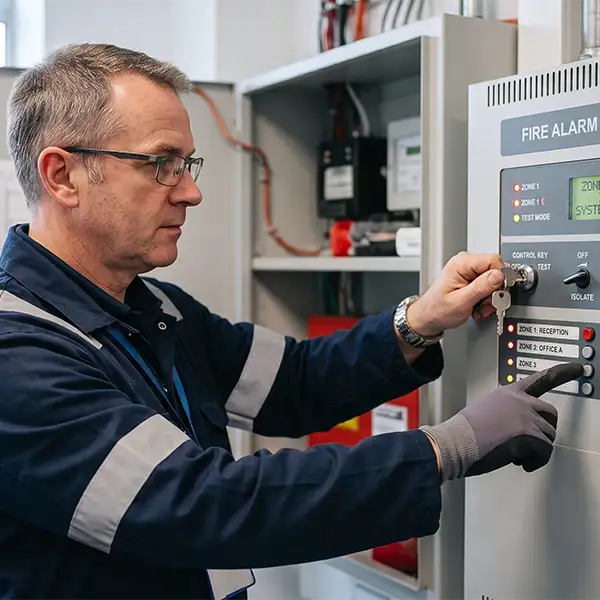
Update low-voltage systems as the property changes
Commercial spaces rarely stay exactly the same. Tenants move, layouts change and equipment gets replaced.
SuperHero evaluates applicable low-voltage needs when existing infrastructure no longer fits the way the property operates.
Renovations
Adjust infrastructure when walls, rooms and work areas change.
System Additions
Extend applicable systems into new areas.
Equipment Changes
Support infrastructure updates when connected equipment is replaced.
Troubleshooting
Investigate applicable low-voltage issues that require field service.
Give different properties a more consistent approach to low-voltage work
A portfolio may include older buildings, newer facilities and systems installed by different vendors over many years.
SuperHero coordinates applicable low-voltage work across locations with each property’s existing conditions in view.
Existing-System Visibility
Understand what is already installed before new work begins.
Project Coordination
Manage upgrades and installations across multiple sites.
Market Coverage
Connect projects with available SuperHero capabilities in each region.
Related Life Safety Work
Coordinate low-voltage needs with fire alarm and ERRC projects where applicable.

WHY SUPERHERO
Bring low voltage into the broader building-systems relationship
Commercial Focus
Work with teams accustomed to active commercial properties and facility requirements.
Multi-System Capability
Coordinate low-voltage work with related fire and life safety systems.
Existing-Building Experience
Address projects where new infrastructure has to fit around what is already in place.
Local Execution
Connect with field capability in the markets where the applicable service is offered.
Portfolio Support
Coordinate work across individual properties and multi-location organizations.
Low-voltage work shaped by the building and how people use it
Find the SuperHero team
that handles low-voltage work in your market
Low-voltage capabilities can vary across the SuperHero platform. The right starting point is the branch serving your property.
Use the location network to connect with a team that can confirm local capability and coordinate the work your building requires.

What to know
About Commercial Low Voltage Services
What is considered low voltage in a commercial building?
Low voltage generally refers to building systems and infrastructure that operate at lower electrical voltage than standard power distribution. The category can include communications, access, life-safety and other connected systems depending on the property and project.
What does a commercial low voltage contractor do?
A commercial low voltage contractor installs and services applicable infrastructure and systems used for communication, access, life safety and other building functions.
Does SuperHero provide low voltage installation?
Yes. Low-voltage installation is part of SuperHero’s broader commercial systems capability. Specific services vary by market.
Does SuperHero provide access control?
SuperHero has access control capability within its broader platform. Availability and scope depend on the market and operating company serving the property.
Are fire alarm systems considered low voltage?
Fire alarm systems commonly use low-voltage infrastructure, but SuperHero treats commercial fire alarms as a dedicated fire and life safety service with their own inspection, testing and service requirements.
How does ERRC relate to low voltage?
ERRC systems use specialized communications equipment to support emergency responder radio coverage inside buildings. SuperHero maintains a dedicated ERRC service page because those systems involve their own coverage testing and technical requirements.
Can SuperHero coordinate low-voltage work across multiple properties?
Yes. Multi-property organizations can work through SuperHero’s Enterprise model to coordinate applicable services across markets, subject to local capability.
Talk with a team about your
Low-voltage project
Tell us what is changing at the property and what systems need to be connected.